Getting Started with Encaustic Wax
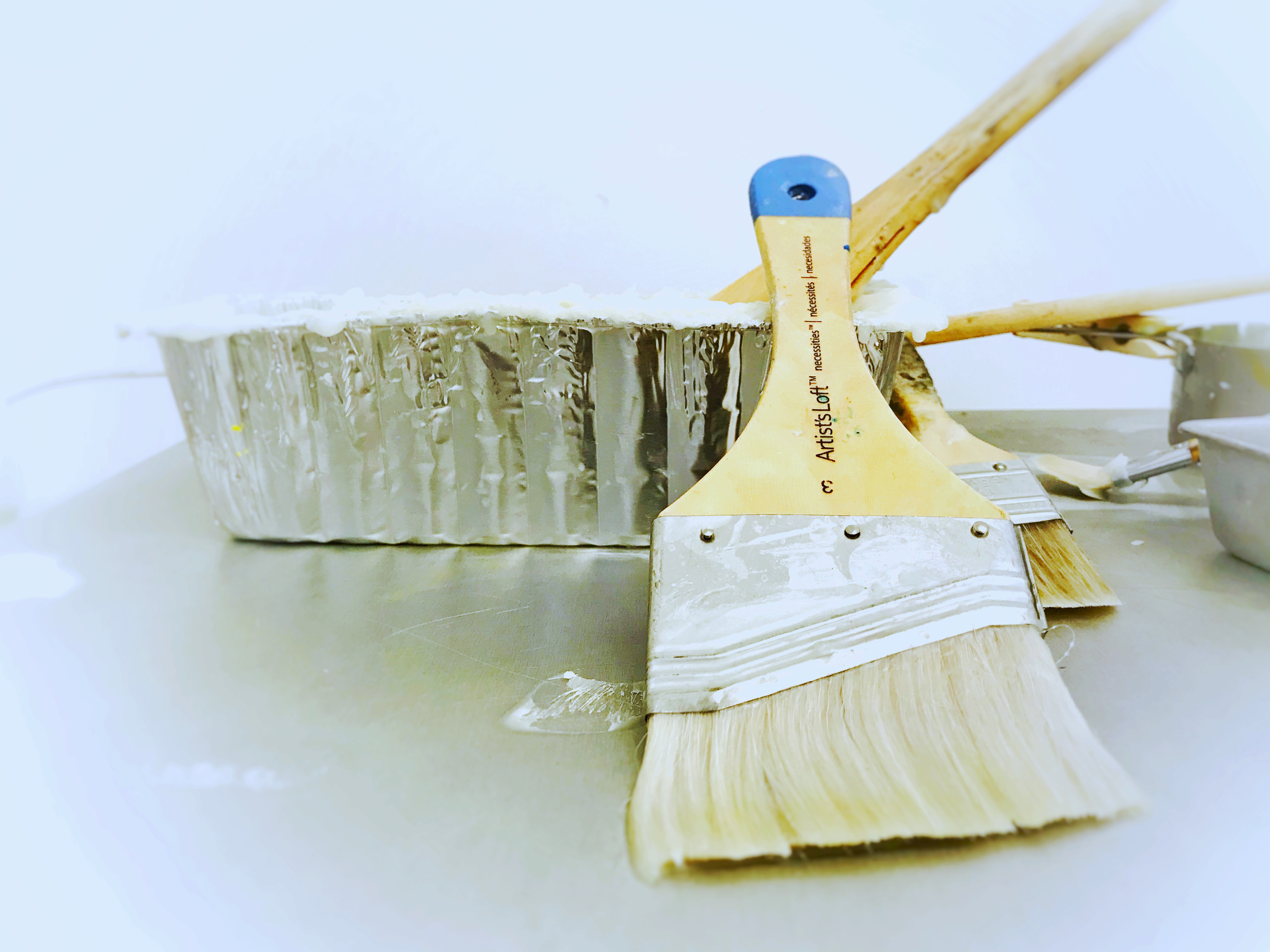
Getting Started with Encaustic: A Simple, Safe Setup
Getting started with encaustic does not have to be complicated. A few basic tools and supplies are enough to begin exploring the colour, texture, and translucency of wax. Before heating the palette, however, it is essential to prepare a suitable workspace and understand how to work safely.
Keep the Temperature Controlled
Encaustic paint needs controlled heat to remain workable. A typical working range is 180–200°F (82–93°C), although the manufacturer’s instructions for your particular materials should always guide you. Use a temperature-controlled palette and a surface thermometer to check the actual temperature rather than relying solely on the appliance dial.
Overheating wax increases the risk of irritating fumes and, at sufficiently high temperatures, fire. Never leave heating equipment unattended, and avoid heating the wax until it smokes.
Plan for Proper Ventilation
Ventilation is an essential part of an encaustic workspace, even when the wax is kept within the recommended temperature range. The setup should remove emissions outdoors and provide fresh replacement air. A suitable window exhaust fan or a properly designed studio ventilation system can help achieve this.
An open door or window may contribute to airflow, but it should not automatically be assumed to provide adequate ventilation. Consider how air moves through the space and whether emissions are being drawn away from your breathing area.
Prepare for Fire Safety
Before beginning, check that smoke alarms are working and keep an appropriate fire extinguisher readily accessible. Learn how to use it, keep the exit clear, and make sure heating equipment can be switched off safely.
A metal waste container with a fitted lid can help contain studio waste, but it should not be treated as a substitute for proper fire equipment. Never pour water onto burning wax.
Keep the Heating Area Clear
Place heating equipment on a stable, heat-resistant surface, with enough space to work comfortably. Keep paper towels, loose paper, fabrics, solvents, and other flammable materials away from the palette and any fusing tools. Hot tools also need a secure, heat-resistant resting place.
An uncluttered workspace makes it easier to move safely and notice potential problems before they develop. Arrange cords to prevent snagging, and keep children and pets away from hot equipment.
Once these essentials are in place, the creative exploration can begin. The following supply list covers the tools and materials needed for a basic encaustic setup.
This is a fantastic medium and I hope you give it a try soon! - Kristin

