Encaustic Wax and Pan Pastel
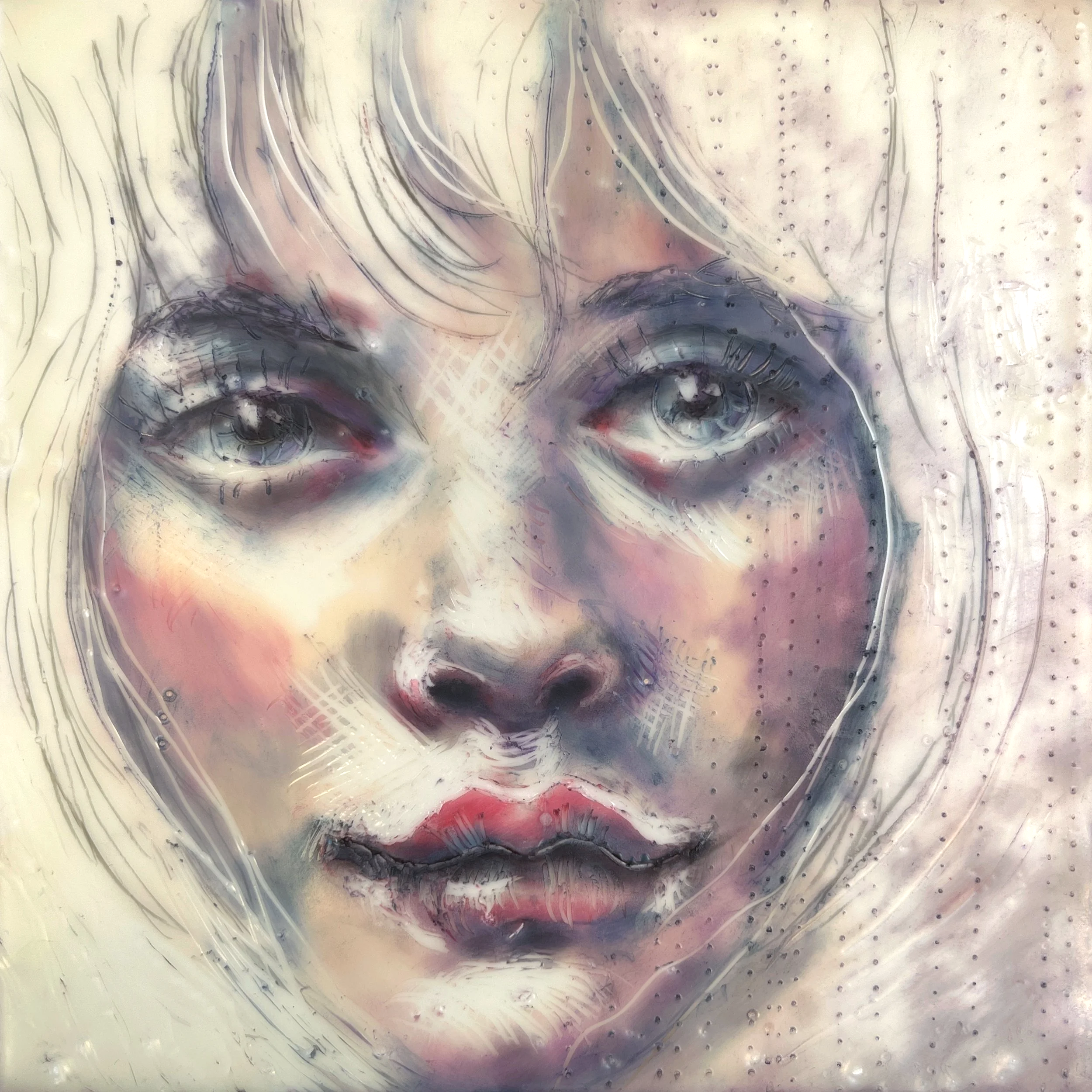
Exploring Wax and PanPastel
Wax and PanPastel work beautifully together, combining soft, blendable colour with the warmth and depth of encaustic. This pairing offers plenty of possibilities for drawing, layering, and exploring texture, with room for both deliberate marks and experimentation.
Drawing and Layering
PanPastel provides a way to introduce drawing into a wax painting. Soft shading, areas of colour, and expressive marks can help develop an image between layers of wax. Colour can be applied gradually, allowing delicate passages to sit alongside richer, more concentrated areas.
This control over layering is one of the pleasures of working with these materials. Each application offers an opportunity to adjust the colour, develop a shape, or respond to what is already on the surface. Some marks can remain clearly visible, while others become partially obscured beneath subsequent layers.
Translucency and Warmth
The translucency of encaustic allows earlier colours and marks to remain visible through the wax. These glimpses of previous layers create depth and give the surface a sense of history. A line or patch of colour beneath the surface can become a subtle part of the image rather than disappearing completely.
Wax also brings a lovely warmth to the work. Paired with the soft colour of PanPastel, it produces subtle shifts that reward a closer look. Gentle, controlled heating can help set the pastel into the wax, holding it in place as the painting develops.
Carving and Revealing Texture
The wax surface offers opportunities to work beyond the application of colour. Lines, patterns, and other details can be carved into it, introducing marks with a different character from those drawn on top.
Rubbing PanPastel across the wax can bring its texture into focus. Colour catches on raised areas, revealing ridges, tool marks, and small variations in the surface. A relatively quiet passage can become more complex simply by drawing attention to the texture already present.
Working with wax and PanPastel allows an artist to move between drawing, building layers, and carving into the surface. Each process influences the next, making the combination a rewarding way to explore colour, translucency, and texture within a painting.
